
Coucou à tous !
Et bien, je ne m’en rendais absolument pas compte, mais cela fait un an que je n’ai rien écrit sur ce blog ! Je ne sais pas pourquoi, je ne pensais pas l’avoir laissé à l’abandon aussi longtemps…
Ceux qui me suivent sur youtube et les réseaux sociaux ont pu suivre mes vidéos (même si j’ai fait une pause depuis quelques mois, je viens juste de faire mon retour sur twitter et instagram et d’ici quelques jours sur youtube car je suis en plein montage de ma prochaine vidéo)
Enfin peu importe, en attendant, je vais rattraper mon retard ici pour ceux qui ne me suivent pas sur youtube et qui auraient loupé mes dernières vidéos.
Donc je vous présente une vidéo que j’ai réalisé pour vous aider à trouver de l’inspiration. Et oui, parfois on ne sait pas quoi dessiner, ni par quoi commencer… Alors pourquoi ne pas tenter d’inventer des doodles trop mimis à partir de taches d’encre ou d’aquarelle ?
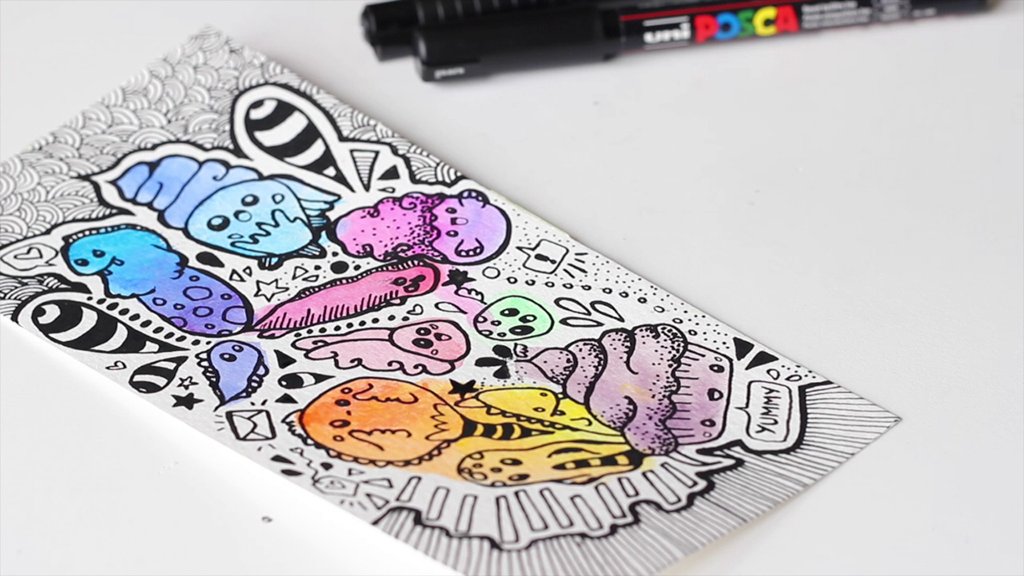
Et pour allier l’utile à l’agréable, dans ma vidéo, je vous montre qu’on peut récupérer des chutes de papier sur lesquelles on a testé nos couleurs par exemple, afin de créer de jolis motifs ou des petits monstres rigolos et mignons à souhait !

Ici j’avais testé des couleurs sur une chute de papier aquarelle, plutôt que de la jeter, je l’ai recyclée avec des doodles 🙂
Et voilà ce qu’on obtient !


Voici les explications en vidéo ! Quant à moi, je vous fais d’énormes bisous et je reviens très vite dans un nouvel article 😉 A bientôt !






0 Comments
Kinetic market borrow. Kinetic market borrow is a practice where traders borrow assets from one another in order to execute trades in the financial market. This practice allows traders to access a larger pool of assets than they would otherwise have access to, enabling them to take advantage of more trading opportunities and potentially increase their profits. In a kinetic market https://kinetic-market.pro/ borrow arrangement, a trader who wants to execute a trade but does not have the necessary assets to do so can borrow those assets from another trader who does have them. The borrower agrees to return the assets to the lender at a later date, along with any interest or fees that may have been agreed upon. This allows the borrower to execute the trade they want to make, without having to wait until they have accumulated enough assets on their own. Kinetic market borrow can be a valuable tool for traders who want to take advantage of short-term trading opportunities or who need to access specific assets in order to execute a particular strategy. By borrowing assets from other traders, they can access a larger pool of assets than they would otherwise have access to, which can help them to diversify their portfolio and potentially increase their returns. However, there are risks associated with kinetic market borrow. If the value of the assets that have been borrowed falls before they are returned to the lender, the borrower may incur losses. Additionally, if the borrower is unable to return the assets as agreed, they may face penalties or legal action from the lender. It is important for traders to carefully consider the risks and benefits of kinetic market borrow before engaging in this practice. There are also regulations and guidelines that govern kinetic market borrow arrangements. In some cases, traders may be required to provide collateral or other forms of security in order to borrow assets from another trader. This helps to protect the lender in case the borrower is unable to return the assets as agreed. Traders should be aware of and comply with any regulations that apply to kinetic market borrow in order to avoid potential legal issues. Overall, kinetic market borrow can be a useful tool for traders who want to access a larger pool of assets and take advantage of more trading opportunities. By borrowing assets from other traders, they can execute trades that they would not be able to make on their own, potentially increasing their profits. However, it is important for traders to carefully consider the risks and benefits of kinetic market borrow and to comply with any regulations that apply to this practice.